
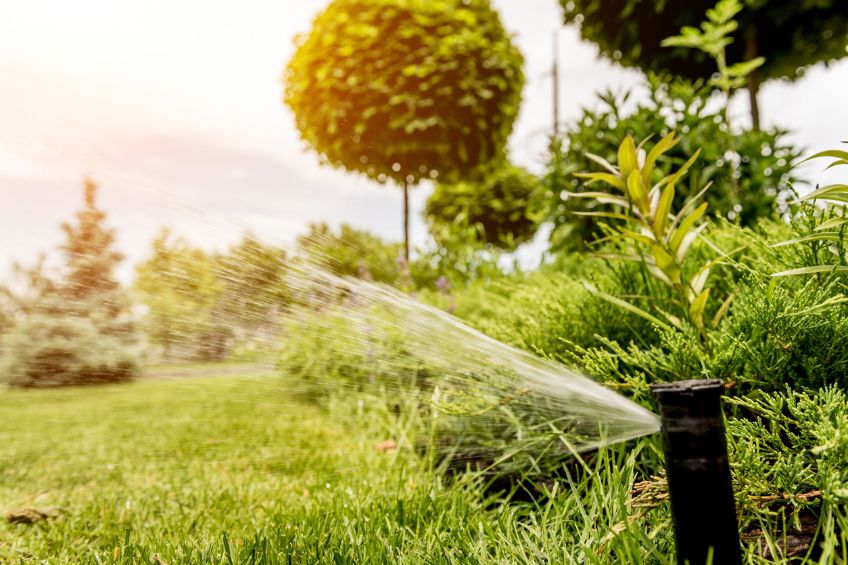
As temperatures begin to rise across Utah in May, your sprinkler system should adapt to changing weather conditions through proper seasonal maintenance. Many homeowners increase watering too quickly, assuming more water will protect their lawn from heat stress. In reality, overwatering is one of the most common issues addressed during sprinkler maintenance in late spring. If your irrigation system is not adjusted properly, you may be wasting water while weakening your turf.
During early spring, soil retains more moisture due to cooler temperatures and occasional rainfall. As May progresses, temperatures increase, but the soil still holds residual moisture. If your sprinkler system continues running on an aggressive schedule, water accumulates faster than it can be absorbed or used by plant roots.
Common causes of overwatering include:
In Utah’s climate, balancing watering frequency and depth is key to maintaining healthy turf.
Overwatering does not always look obvious at first. In many cases, your lawn may appear green while underlying problems develop in the soil and root system. Identifying early signs helps prevent long term damage.
Watch for these indicators:
If these conditions are present, your irrigation system is likely applying more water than your lawn can effectively use.
Proper sprinkler system adjustments help match water application to Utah’s warming temperatures. The goal is to water deeply but less frequently, allowing roots to grow stronger while reducing surface saturation.
Key adjustments to consider:
These changes help your irrigation system operate more efficiently while supporting healthier lawn development as temperatures continue to rise.
Bonneville Sprinkling provides professional sprinkler system evaluations and adjustments tailored to Utah landscapes. Their team understands how seasonal temperature changes affect irrigation performance and can fine tune your system to reduce water waste while improving coverage. By working with Bonneville Sprinkling, you can ensure your sprinkler system is properly calibrated for late spring conditions and ready to handle the demands of summer. Taking action now helps protect your lawn, control water usage, and maintain consistent irrigation performance throughout the growing season.
Located In: West Jordan, UT
Phone: (801) 561-8800
Text: (435) 266-4648
Email: bonnevillesprinkling@yahoo.com
Hours of Operation:
Mon-Fri: 24-Hour Emergency for existing clients.
Sat-Sun: Appointments Only

© 2026 Bonneville Sprinklers
